Signed in as:
filler@godaddy.com
.png/:/rs=h:204,cg:true,m/qt=q:100/ll)
Pugs are known for their loving personalities, expressive faces, and ability to form deep bonds with their families. They thrive on companionship and are happiest when they are included in daily activities. Whether they are following you from room to room, snuggling on the couch, or making you laugh with their quirky antics, pugs are true companion dogs.
While pugs are adaptable and can do well in apartments, homes, and families of all sizes, they are not a low-maintenance breed. Their unique physical characteristics and people-oriented nature require owners who are committed to providing proper care, attention, and veterinary support.
Pugs generally do best when they are treated as part of the family and have plenty of opportunities for interaction, enrichment, and affection.
Learn more about Welcoming a Rescue Pug into your Family
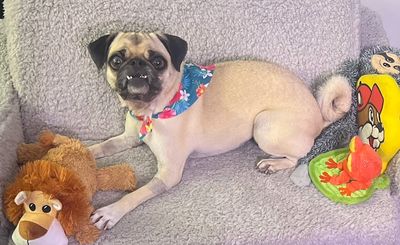

Pugs are a brachycephalic (short-nosed) breed. Their shortened airways can make breathing more difficult, especially during exercise, hot weather, or periods of excitement. Owners should learn to recognize signs of respiratory distress and avoid activities that could lead to overheating.
Learn more about Breathing Problems in Pugs
Pugs are particularly vulnerable to heat-related illnesses. Even temperatures that seem comfortable to humans can be dangerous for some pugs. During warmer months, exercise should be limited to cooler parts of the day, and access to shade, air conditioning, and fresh water is essential.
Because their eyes protrude more than many breeds, pugs are at increased risk for scratches, ulcers, and other eye injuries. Any squinting, redness, excessive tearing, or cloudiness should be evaluated by a veterinarian promptly.
Learn more about Eye Care for Pugs
Facial wrinkles can trap moisture, debris, and bacteria. Regular cleaning and monitoring help prevent irritation and infections.
A pug may be a great match if you:
✓ Want a companion who enjoys being with people (A LOT)
✓ Have time to provide daily interaction, attention and training
✓ Understand the importance of regular and preventive veterinary care
✓ Are willing and able to manage potential breed-related health concerns
✓ Can keep your dog primarily indoors in a climate controlled environment
✓ Are prepared for constant shedding and regular grooming of wrinkles, ears and face
A pug may not be the best fit if you:
✗ Spend long hours away from home every day
✗ Prefer a breed that requires minimal grooming or maintenance
✗ Are unprepared for or unwilling to deal with potential medical expenses and care
✗ Want a low maintence dog and expect perfect potty habits and house manners
✗ Want a highly athletic or endurance-oriented dog or expect your dog to tolerate heat or prolonged outdoor activity
Pugs reward dedicated owners with loyalty, affection, and countless moments of laughter. Understanding their needs before bringing one home is the first step toward a successful lifelong relationship.